How to Get to El Chaltén
Figuring out how to get to El Chaltén is the first challenge of the trip, and it’s worth getting right. The village sits at the northern edge of Los Glaciares National Park in Santa Cruz Province, far from any major city and without an airport of its own. The good news is that the route is well sorted: almost all travelers arrive via El Calafate, and the roughly 3-hour drive through Patagonian landscapes is already part of the experience.
In this guide, I explain every possible route, the transport options, approximate travel times and practical tips so you can arrive without hiccups.
Where Is El Chaltén and How Do You Get There?
El Chaltén is about 215 km (134 miles) from El Calafate and more than 2,800 km (1,740 miles) from Buenos Aires. It has no commercial airport or train station, so you have to arrive by road. The main access is National Route 40 and Provincial Route 23, which is paved and generally in good condition, although wind and Patagonian weather can make driving tricky.
Once you’re in town, you don’t need transportation: everything is walkable, and the most famous trails start right from the village streets.
How to Get to El Chaltén from El Calafate (the Most Popular Route)
By Bus: The Simplest and Cheapest Option
This is the most popular way to get there. Several transport companies connect El Calafate with El Chaltén every day in season, with departures from the El Calafate bus terminal and, depending on the company, from the airport as well.
- Duration: around 3 hours.
- Frequency: several daily departures in high season, with fewer services in the off-season.
- Stops: many buses make a short stop at La Leona, a classic rest spot in the middle of the steppe.
- Luggage: check each company’s policy, as they usually accept large backpacks but with weight limits.
- Tip: buy your ticket in advance during high season, especially for the return trip, because buses often sell out. Always check current schedules and fares with the bus companies, as they change frequently.
By Rental Car: Freedom to Stop Wherever You Want
Renting a car in El Calafate lets you travel at your own pace, stop for photos and explore the surroundings.
- Duration: about 3 hours without stops.
- Route: from El Calafate, take Route 11 toward the junction with Route 40, then Route 23 into the village.
- Pros: flexible schedule and the chance to visit other spots, such as Lago del Desierto.
- Cons: the cost of the rental and fuel, and strong winds that require careful driving.
- Important: fill up your tank before leaving El Calafate. There is a gas station in El Chaltén, but it can run short or have delays, so it’s not worth the risk.
By Private Transfer or Tour
Private transfers and tours that combine the trip with sightseeing stops are also available. They’re useful for groups, families, or anyone traveling with a lot of luggage.
How to Get to El Calafate (the Step Before)
By Plane
El Calafate has the Comandante Armando Tola International Airport, about 20 km from the town center. It’s the most common entry point for travelers heading to El Chaltén.
- From Buenos Aires: direct flights of approximately 3 hours and 15 minutes, from both Aeroparque and Ezeiza.
- From other cities: there are connections from Ushuaia, Bariloche, Córdoba and other cities, although you should check availability by season.
- Tip: book flights several months ahead if you’re traveling between December and February, when prices rise and availability drops.
From the Airport to Downtown and the Bus Terminal
Transfer services and taxis connect the airport with the town and the bus terminal. Some companies offer services that go straight from the airport to El Chaltén, saving you from having to change vehicles.
How to Get to El Chaltén from Buenos Aires
There is no direct connection by land or air. The usual combination is:
- Flight Buenos Aires – El Calafate (about 3 hours and 15 minutes).
- Bus or car El Calafate – El Chaltén (about 3 hours).
With a good connection, you can reach the village on the same day as your flight. If your flight lands in the afternoon, consider sleeping in El Calafate and leaving the next day, to avoid traveling at night or running into weather problems.
You can also travel overland from Buenos Aires, but it means more than 40 hours on the road and several bus connections, so we only recommend it for travelers with plenty of time.
How to Get to El Chaltén from Bariloche
For travelers exploring Patagonia from north to south, the classic route is National Route 40.
- By plane: fly Bariloche – El Calafate (if available, depending on the season), then take a bus to El Chaltén.
- By land: this is a long, multi-day journey with stops in towns such as El Bolsón, Esquel, Perito Moreno and Los Antiguos. There are gravel sections and long distances between towns, so it’s essential to plan your fuel and check road conditions.
It’s an ideal option for those looking for an on-the-road adventure, with scenery you can’t see from a plane window.
How to Get to El Chaltén from Chile
From Puerto Natales and Torres del Paine
The most common connection is Puerto Natales – El Calafate – El Chaltén:
- Take a bus from Puerto Natales to El Calafate, crossing the border at the Cerro Castillo / Río Don Guillermo crossing. The trip takes about 5 to 6 hours, depending on immigration procedures.
- Then take a bus or drive from El Calafate to El Chaltén.
Tip: keep your ID or passport handy and check the current immigration requirements before you travel.
From Villa O’Higgins (Carretera Austral)
This is the adventure route par excellence. It’s a crossing that combines a boat trip across Lake O’Higgins, a border hike and another boat ride across Lago del Desierto, ending in El Chaltén. It operates in season, depends on the weather, and requires advance bookings and good physical fitness.
It’s an option for travelers seeking a different kind of experience, but it’s neither the simplest nor the most flexible. Get well informed about available services and operating dates before planning it.
When Is the Best Time to Travel to El Chaltén?
The main season runs from October to April. During this period there are more bus frequencies, more open accommodation and better road conditions.
- December to February: peak demand, with tickets and lodging selling out well in advance.
- March and April: fewer tourists, autumn colors and a good range of transport.
- October and November: shoulder season, with changeable weather.
- Winter: reduced services and, in some cases, roads affected by snow or ice. Check conditions before traveling.
What to Expect When You Arrive in El Chaltén
When entering the village, buses and vehicles usually pass by the National Park visitor center, which provides information on trails, rules of conduct and weather conditions. It’s a highly recommended stop: the information talks help you plan hikes safely.
The village is small, so from the terminal you can walk to most accommodations. If your lodging is a bit farther out, ask about transfers or local taxis.
Practical Tips for Getting to El Chaltén Smoothly
- Book tickets in advance, especially in high season and for return times.
- Carry cash. Upon arrival, ATMs may be out of money and connectivity can fail.
- Fill up on fuel in El Calafate if you’re driving.
- Download offline maps. There are stretches along the route without cell signal.
- Dress in layers. Even if you’re on a bus, the weather can change between El Calafate and El Chaltén.
- Leave buffer time in your connections. If you have a return flight, don’t cut the schedule too close: wind, snow or a delay can complicate the trip.
- Confirm your accommodation’s check-in so you know whether you can arrive early or drop off your luggage.
- Check road conditions before you leave, especially in the off-season.
You may also like:
- Things to Do in El Chaltén
- Where to Stay in El Chaltén
Summary: The Best Way to Get There for Your Travel Style
- Budget travelers: bus from El Calafate.
- Families and groups: rental car or private transfer.
- Travelers short on time: fly to El Calafate and take the direct bus from the airport.
- Adventurers and backpackers: Route 40 or the Villa O’Higgins crossing.
- Those combining Argentina and Chile: bus from Puerto Natales to El Calafate, then on to El Chaltén.
Conclusion
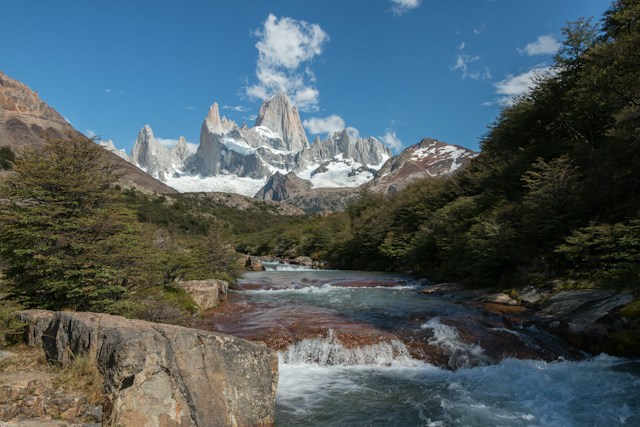
Knowing how to get to El Chaltén saves you time, spares you surprises and lets you start your trip on the right foot. The most comfortable and widely used route is to fly to El Calafate and continue by bus or car for about 3 hours, but Patagonia offers alternatives for every style: from Route 40 to the border crossing via Lago del Desierto. Book ahead, verify schedules and always carry a plan B for the weather. When Fitz Roy appears on the horizon, you’ll know it was worth it.


También te puede interesar
Cómo cruzar de Guatemala a Honduras en transporte público

Guatemala to Honduras: How to Cross by Public Transport