Where to Stay in Bali: Complete Guide by Area
Heyyy friend! So you’re planning a little trip to Indonesia, I love it. Bali! Obsessed. Now… you’ve probably noticed Bali has SO many options, right? And choosing where to stay in Bali is honestly the most important decision of your trip, because every area has a completely different personality: rice paddies and yoga inland, surf and nightlife on the coast, crypto bros, cliffs and hidden beaches down south, or fishing villages where you might be the only foreigner around.
In this guide I put together a comparison of the most popular areas of Bali — Ubud, Canggu, Denpasar, and Uluwatu — plus three lesser-known alternatives that are gaining traction among people looking for something more authentic and low-key.
Table of Contents
- Ubud: nature, culture, and wellness
- Canggu: surf, gym bros, and digital nomad life
- Denpasar: the functional capital
- Uluwatu: cliffs, elite surf
- Lesser-known alternatives: Sidemen, Amed, and Munduk
- Quick comparison table
- FAQ
Where to Stay in Bali
1. Ubud: nature, culture, and yogi life
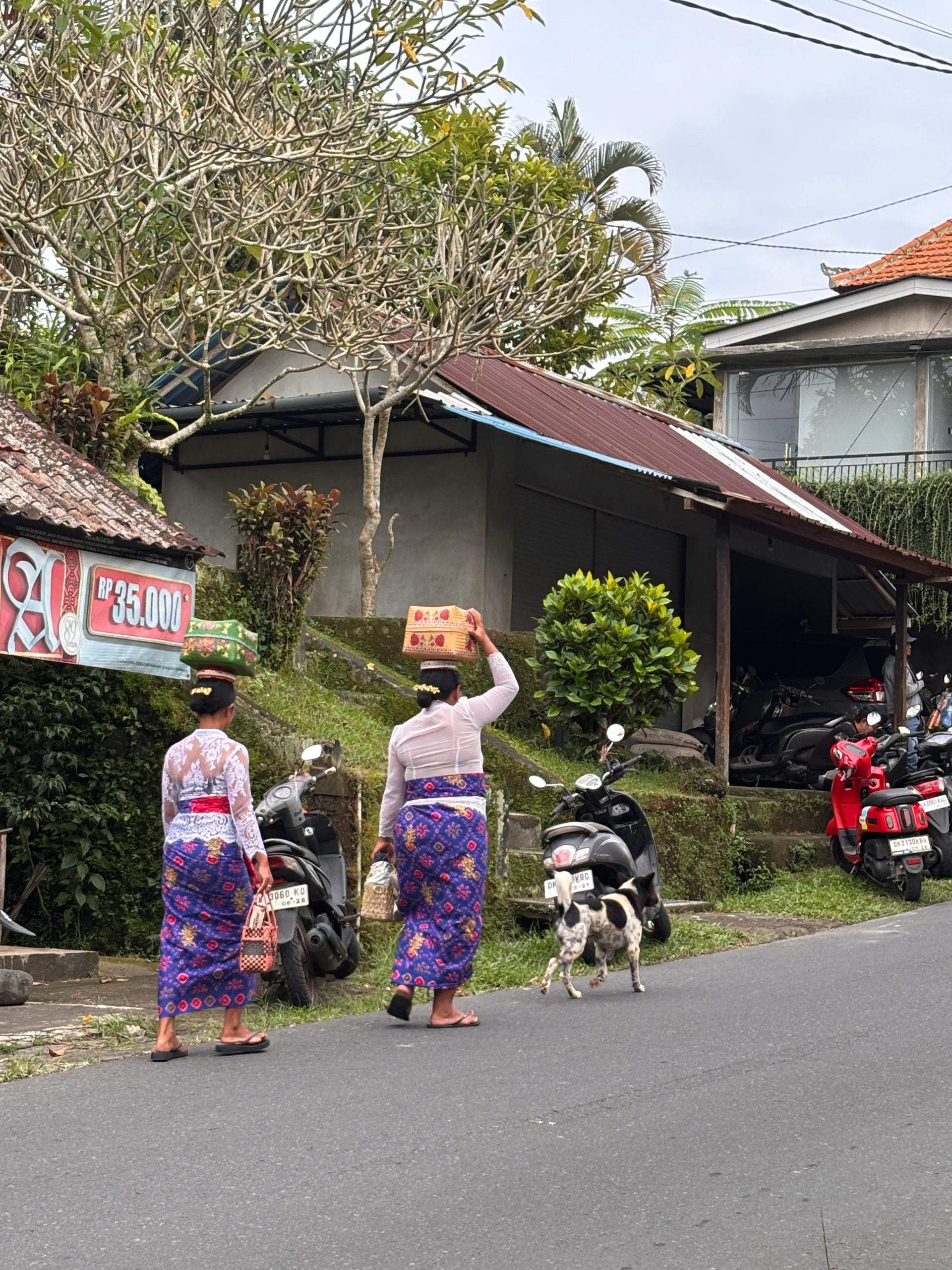
Ubud is the spiritual heart of Bali and is still one of the best areas to stay in Bali if you’re after peace and quiet, yoga, terraced rice paddies, and a great healthy-food scene. I stayed in Ubud for two months, in a spot away from the center, and it was one of the best experiences of my life.
Best for: couples, solo travelers, yoga retreats, digital nomads looking for calm, families who’d rather have waterfalls and rice fields than beach life.
Highlights:
- Tegalalang and Jatiluwih rice terraces just minutes from the center.
- A huge selection of private-pool villas at competitive prices.
- An organic, healthy-food scene and world-class yoga studios.
- Iconic temples like Tirta Empul and the Monkey Forest.
Downsides: No beach (it’s 1–1.5 hours to the sea) and center-of-town traffic has gotten pretty dense during high season.
Rough budget: from $15–20 USD/night in guesthouses up to $150+ USD in boutique villas. You can find discounted stays at: this link
2. Canggu: surf, gym bros, and digital nomad life

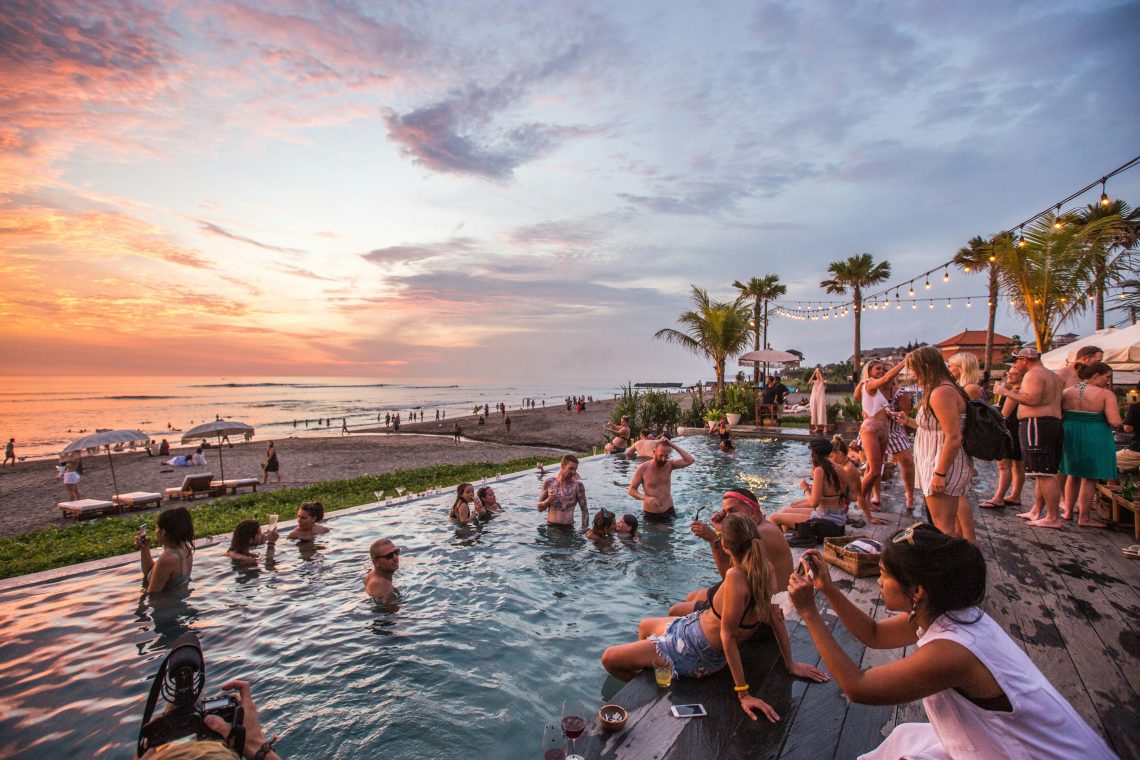
If you’re after a Bali stay with an international party-and-fitness vibe, Canggu is probably the most talked-about area of the last few years. It’s basically become the unofficial capital of digital nomads in Bali. This is where you’ll find a gym on every corner, cafés serving protein shakes, and pure fitness-brain energy — followed by letting loose on the weekends.
Best for: surfers, digital nomads, travelers in their 20s–40s, anyone who wants good nightlife without the full chaos of Kuta.
Highlights:
- Surf beaches like Batu Bolong and Berawa, good for beginners and advanced surfers alike.
- Hundreds of coworking spaces, cafés with solid wifi, and gyms.
- Well-known beach clubs (Finns, La Brisa, Old Man’s) and lively nightlife.
- Good connections to Seminyak and the airport (30–40 min).
Downsides: Heavy traffic on the main roads, rising prices, and dark volcanic-sand beaches (not your typical postcard beach).
Rough budget: from $20 USD/night up to $200+ USD in design villas.
You can find discounted stays at: this link
3. Denpasar: the functional capital

Denpasar usually gets left out of typical travel guides, but it’s worth knowing about when comparing where to stay in Bali, especially if you need to be close to the airport or want lower prices. If you’re renting your own scooter during your stay, basing yourself in Denpasar isn’t such a bad idea.
Best for: short layovers, business trips, budget-conscious travelers, anyone prioritizing logistics over postcard views.
Highlights:
- Noticeably lower prices than Ubud, Canggu, or Seminyak.
- Good transport links to the rest of the island.
- Authentic local markets (Pasar Badung) and “real” Balinese life, no touristy filter.
- The international airport (Ngurah Rai) is practically within the metro area.
Downsides: Not much to see in the city itself, no standout beaches near the center.
Rough budget: from $10–15 USD/night, great for anyone who just needs a logistical base.
You can find discounted stays at: this link
4. Uluwatu: cliffs, elite surf, and postcard beaches

On the southern tip of the Bukit Peninsula, Uluwatu delivers the landscape most people picture when they think of Bali: limestone cliffs, ideal surf breaks, and sunsets in front of a temple that looks straight out of Photoshop.
Best for: experienced surfers, and anyone who wants a bit of that Canggu fitness energy without all the partying and crypto bros.
Highlights:
- Spectacular beaches like Padang Padang, Bingin, and Suluban.
- Standout beach clubs like Single Fin and Savaya.
- Less urban sprawl than Canggu, more nature and quiet.
Downsides: Pricier accommodation overall, uneven terrain (lots of stairs down to the beaches), and less varied food scene than up north.
Rough budget: from $25 USD/night in guesthouses up to $400+ USD in luxury resorts.
You can find discounted stays at: this link
5. Lesser-known alternatives for staying in Bali
If you already know Bali, or you’d just rather skip the more touristy spots, these three options are great picks — and increasingly popular with travelers looking for a more authentic Bali experience.
Sidemen

Tucked away in the east of the island, at the foot of Mount Agung, Sidemen offers rice-paddy views even more spectacular than Ubud’s, minus the crowds. Perfect for hiking, photography, and total disconnection. Ideal if you’re feeling anti-social or anti-tourist and want a bit more of the local pace of life.
Amed
A former fishing village on the northeast coast, known for diving and snorkeling. Black volcanic-sand beaches, calm waters, and a much slower pace of life than the south of the island.
Munduk
In the northern highlands, surrounded by coffee and clove plantations, hidden waterfalls, and volcanic lakes like Tamblingan and Buyan. Temperatures are cooler than the rest of Bali — ideal for hikers and anyone chasing mild weather.
You can find discounted stays at: this link
6. Quick comparison table: which area of Bali should you pick?
| Area | Vibe | Beach | Nightlife | Budget | Best for |
|---|---|---|---|---|---|
| Ubud | Cultural / wellness | No (inland) | Low | Mid | Yoga, nature, couples |
| Canggu | Surf / digital nomad | Yes (dark sand) | High | Mid-high | Young travelers, coworking, surf, partying |
| Denpasar | Urban / local | Not notable | Low | Low | Logistics, tight budgets |
| Uluwatu | Luxury / cliffs | Yes (spectacular) | Medium-high | High | Fitness, wellness, advanced surf |
| Sidemen | Rural / hiking | No | None | Low-mid | Disconnecting, photography |
| Amed | Coastal village | Yes (black sand) | None | Low | Diving, snorkeling, quiet |
| Munduk | Mountain / coffee country | No | None | Low-mid | Nature, cool climate |
7. FAQ: where to stay in Bali
What’s the best area to stay in Bali for a first trip? If it’s your first time, a good strategy is to split your stay between two areas: a few days in Ubud (culture and nature) and a few more in Canggu or Uluwatu (beach and social life).
Ubud or Canggu — which should I pick? Depends on the kind of trip: Ubud is great for rest, yoga, and nature; Canggu for surf, a younger crowd, and an active social scene.
Is it safe to stay in Denpasar? Yes, it’s safe, though there’s not much to see as a tourist. It’s usually used as a logistical base thanks to how close it is to the airport.
What are the least touristy areas of Bali? Sidemen, Amed, and Munduk are the top picks for travelers looking to avoid the crowds and get a more local experience.
Hope this helps you figure out where to stay in Bali, friend — for anything else, I’m here 🙂
Travel hugs, Angie

También te puede interesar

Visas para Indonesia: guía 2026
Best Hostels in Hongdae, Seoul: Where to Stay in 2026