How to Get a SUBE Card as a Tourist in Buenos Aires (2026)
If you’re planning a trip to Buenos Aires, there’s one small errand that will save you a ton of headaches: getting your SUBE card. Without it, you basically can’t ride a bus, subway, or train in the city and the Greater Buenos Aires area. But don’t panic, my friend. The good news is that yes, foreign tourists can get a SUBE card, and the process is pretty simple.
How to get a SUBE Card as a tourist
What Is the SUBE Card and Why Do You Need It?
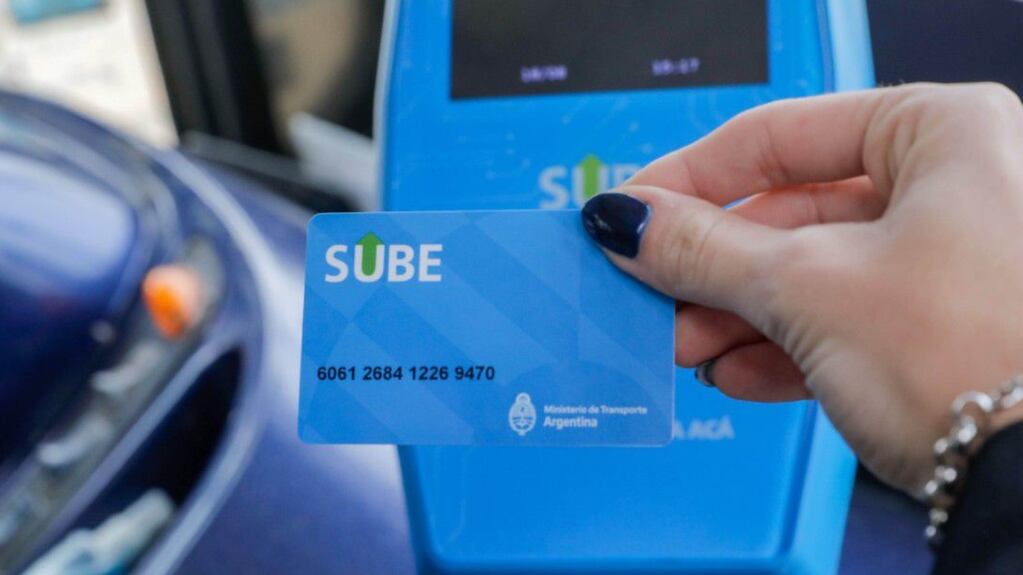
SUBE (Sistema Único de Boleto Electrónico, or Single Electronic Ticket System) is the card used to pay for public transportation in Argentina: buses (colectivos), subways (subte), trains, and even some river transport lines. It works like a prepaid wallet: you load credit onto it and the fare is deducted every time you ride. It’s essential for using public transportation in Argentina, whether you’re taking buses, subways, trains, trolleybuses, or ferries, and the system covers the city and Greater Buenos Aires as well as more than 60 other localities across the country.
Can Foreign Tourists Get a SUBE Card?
Yes, no problem at all. If you’re a foreigner and want to create a SUBE account, you can visit a Service Center (Centro de Atención) with your passport or ID. In fact, buying the physical card at a point of sale doesn’t even require showing any documents: anyone can buy one. Registering with your passport only matters if you want to link the card to your name (for example, to recover your balance if it’s lost or stolen).
How to Get a SUBE Card as a tourist, Step by Step
1. Buy the Physical Card
There are three ways to get one:
- At a SUBE Point (Punto SUBE): kiosks, subway stations, train stations, and shops displaying the official SUBE sign in the window or on the counter. Not every kiosk sells the card, so look for that sign before asking.
- At a Service Center (Centro de Atención): official offices where you can also handle paperwork and inquiries. In Buenos Aires and the surrounding area, there are locations in Retiro, Constitución, Ezeiza, La Plata, Moreno, and San Miguel, all open Monday through Friday.
- Online: through the official website, where you can order it and choose to pick it up at a Service Center (free) or have it delivered to your address or a post office branch (with an additional shipping fee).
2. Pay for the Card
The price of the plastic card is updated fairly often because of inflation in Argentina, so don’t rely on a fixed number. As of this writing, the official cost is around ARS $1,500 (Argentine pesos), but I recommend checking the current price on the official SUBE website (argentina.gob.ar/sube) before you travel or right when you arrive.
3. Top Up Your SUBE Card
Once you have the card, you can load credit at the machines in subway stations, at the same kiosks where you bought it, through the official “Carga SUBE” app (if your phone has NFC), or directly on the bus with “on-board top-up” (carga a bordo), which has a maximum amount.
4. Register Your SUBE Card (Optional but Recommended)
Registering your card protects you in case of loss or theft, because you can recover your balance. You can do it:
- Online at argentina.gob.ar/sube, in the “Registrala” section
- From the SUBE app
- By calling 0800-777-SUBE (7823), option 3
- Via WhatsApp with the SUBi chatbot
- In person at a Service Center
You’ll need your passport or foreign ID to register.
Practical SUBE Card Tips for Tourists
- Get it as soon as you arrive: there’s a SUBE Service Center at Ezeiza Airport, so you can take care of it before heading into the city.
- Carry cash: many kiosks that sell and reload SUBE cards prefer or only accept cash.
- One card per person (usually): on buses and the subway, two people can share one card by tapping the same plastic twice, but on trains each passenger needs their own.
- Keep your purchase receipt: in case you need to file a complaint or report overcharging.
- Beware of informal resellers: always buy from official points marked with the SUBE sign to avoid cloned cards or cards with no real balance.
Info you might find useful:


También te puede interesar
Cómo llegar a Samaná desde Punta Cana o Santo Domingo
7-Day Belize Itinerary