
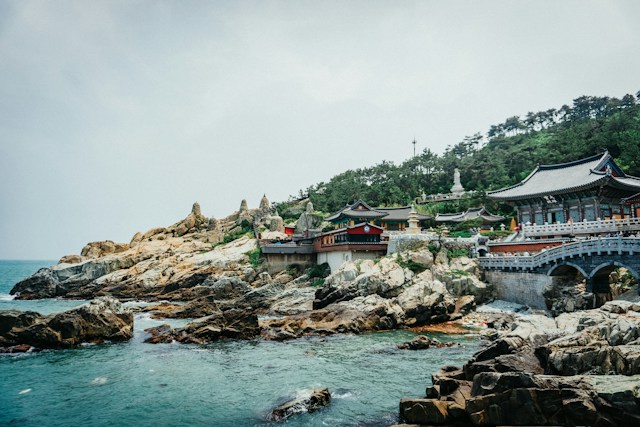
Traveling to South Korea: What You Need to Know Before You Go
Hey hey, my favorite traveler! So you’re searching about traveling to travel to South Korea? I LOVE it. As you may (or may not) already know, South Korea is in my top three favorite countries in the world. I first went in 2014 and stayed for a year. Then I went back in 2016, 2018, 2019 and 2025 (that last time to hike the Haeparang Trail, which I tell you all about here). South Korea is one of my favorite countries and super easy to travel solo. It’s a safe, quite easy to travel around and incredibly comfortable destination, but it has its quirks. Some things will surprise you (in a good way), and others are better sorted out before you board the plane. In this South Korea travel guide, I’ll walk you through everything you need to know before traveling to South Korea so you arrive fully prepared and enjoy your trip without any surprises.
1. Entry Requirements and Travel Documents
The first thing to check is whether your nationality requires a visa or the K-ETA electronic travel authorization. Requirements and exemptions change over time, so always verify with official sources (the Korean embassy or consulate and the Korean government website) before booking.
You’ll also want to make sure you have:
- A valid passport. It’s recommended that it be valid for at least 6 months from your date of entry.
- A return or onward ticket. They don’t always ask for it, but it’s best to have one, even if it’s just a reservation.
- Proof of accommodation and the address of your first night’s stay, in case immigration asks for it.
- Travel insurance with medical coverage. Healthcare is excellent, but it can be expensive for foreigners.
2. Currency and How to Pay in South Korea
The currency is the South Korean won (KRW). Credit and debit cards are accepted almost everywhere, but it’s a good idea to carry some cash for markets, street food stalls and some taxis.
Tips:
- Use currency exchange shops in Myeongdong or ATMs at convenience stores (GS25, CU, 7-Eleven). They usually offer a better rate than the airport.
- NEVER EXCHANGE MONEY AT THE AIRPORT. Here’s a post on which transport card to use T-Money or Climate Card
- Let your bank know you’re traveling to avoid card blocks.
- There’s no tipping culture: you don’t tip in restaurants or taxis.
- Some shops offer tax refunds for tourists. Keep your receipts.
3. Internet, Apps and Staying Connected
South Korea has one of the best internet connections in the world. To stay online, you can choose between an eSIM, a physical SIM card (picked up at the airport) or a pocket Wi-Fi device.
Install these apps before you travel:
- Naver Map or KakaoMap: Google Maps doesn’t work well for walking directions or public transport, and some cafés and points of interest don’t even show up on it.
- Papago: a very accurate Korean translator.
- Kakao T: for hailing taxis (it sometimes requires a local payment method, so have a plan B) and for chatting with the Korean friends you make (or your Tinder dates, why not).
- Subway Korea: a subway map in English and Spanish.
4. Getting Around South Korea: T-money and Trains
A T-money card is a must: it works on the subway, buses, and even some taxis and convenience stores. You can buy it at stations or stores and top it up with cash.
For traveling between cities:
- KTX: the high-speed train (Seoul to Busan in about 2.5 hours).
- Express buses: cheaper, with very comfortable seats.
- Domestic flights: ideal for getting to Jeju.
5. Korean Etiquette and Customs to Know
Koreans place great value on respect and politeness. Some basic rules:
- Take off your shoes when entering homes, some traditional restaurants, temples and hanok stays.
- Use both hands (or rest one hand on your forearm) when giving or receiving objects, especially with older people.
- Wait for the elders to start eating, and never stick your chopsticks upright in your rice, since it resembles a funeral ritual.
- Talking loudly on the phone on public transport is frowned upon.
- Priority seats (for pregnant women and older adults) are truly respected.
6. Korean Food: What to Know
The food is one of the biggest draws, but it comes with a few details.
- Many Korean BBQ restaurants require a minimum order of two portions, which makes things tricky for solo travelers. Look for places that accept single diners.
- Spice is central to Korean cuisine. If you can’t handle heat, ask for mild options.
- If you’re vegetarian or vegan, be patient: many dishes contain hidden fish or meat broth. Apps and temple restaurants are good alternatives.
- If you have allergies, bring a card translated into Korean listing your restrictions.
- Tap water is safe to drink, and restaurants almost always serve free water.
7. Weather and What to Pack for South Korea
South Korea has four very distinct seasons, so pack according to the time of year. In general, bring layers, comfortable shoes (you’ll walk a lot) and an umbrella. If you’re traveling in winter, pack thermal clothing; in summer, light clothes and sunscreen. To choose the best dates, check out our guide to the best time to visit South Korea.
Other practical details:
- Power outlets: the voltage is 220 V. Check the plug type and bring an adapter if needed.
- Medication: some controlled medications may require a permit or documentation. Check with the Korean authorities before traveling with special treatments.
8. Safety and Local Etiquette
South Korea is one of the safest countries in Asia, even for solo travelers at night. Still, keep an eye on your belongings in crowded places and respect local rules: there are very few trash cans on the street (carry yours until you find one, usually at 7-Eleven or similar convenience stores), and recycling is separated.
9. Where to Stay in South Korea: Typical Options
- Hotels and hostels: plentiful in Hongdae, Myeongdong and near train stations.
- Hanok: traditional Korean houses, ideal for a cultural experience.
- Jjimjilbang: Korean spas open 24 hours. You enter the bathing areas (separated by gender) without clothes, and there are often rules about large tattoos, so check beforehand.
Frequently Asked Questions About Traveling to South Korea
Do I need to speak Korean to travel to South Korea?
No. In tourist areas there are signs in English, and translation apps are enough for almost everything. If you venture off the beaten path, almost no one speaks English, but there’s internet and signal practically everywhere in the country, so with a translator and some gestures you’ll be fine.
Is South Korea expensive to travel to?
It depends on what you compare it to. Compared to Southeast Asia, yes. But it’s cheaper than Japan, especially for food and public transport, although prices change, so it’s worth checking before you travel.
How many days do I need in South Korea?
With one week you can see Seoul and a nearby destination. For a full route, check out our two-week South Korea itinerary.
Is it safe to travel solo in South Korea?
Yes, it’s one of the safest destinations in the region. Every time I went, I went alone.
That’s all, friends! If you have any questions, I’m here 🙂
Oh, and I recommend the travel insurance I use: Go! Assistance!


También te puede interesar

How to get from Seoul to Busan
Santa Ana, El Salvador: the second best destination in the world to travel solo
