3-Day Busan Itinerary: Beaches, Temples and Markets
First of all, I love that you’re thinking of going to Korea. Second… that on top of Seoul, you’ve decided to explore Busan too. Although it’s one of the most touristy cities in the country, it still has plenty of charm, and it’s the most touristy for good reasons: urban beaches, temples by the sea, fish markets, colorful villages and a food scene that is nothing like Seoul’s. With this 3-day Busan itinerary you can see the essentials without rushing. It’s organized by area so you spend less time on transfers and make the most of every day of your trip.
3 Days in Busan: Itinerary Summary
| Day | Area | Highlights |
|---|---|---|
| 1 | Haeundae and the east coast | Haedong Yonggungsa Temple, Blueline Park, Haeundae Beach |
| 2 | Historic Busan | Gamcheon, Songdo, Jagalchi Market, BIFF and Nampo |
| 3 | Yeongdo and downtown | Taejongdae, Huinnyeoul, Centum City or Gwangalli |
Before You Start: How to Get Around Busan
Get a T-money card for the subway and buses. Busan’s subway has four lines and connects almost everything, though you’ll need a bus for some spots. Download Naver Map or KakaoMap, because Google Maps doesn’t work well in Korea. If you haven’t decided where to sleep yet, check out our guide on where to stay in Busan.
3-Day Busan Itinerary
Day 1: Haeundae and the East Coast
Morning: Haedong Yonggungsa Temple. It’s one of the few Buddhist temples built right by the sea and one of the most photogenic spots in Busan. Arriving early helps you avoid the crowds. You can get there by bus from the Haeundae area (check the route and schedule in your maps app).
Midday: lunch in Haeundae. Try dwaeji gukbap (pork soup with rice), a classic Busan dish, or seafood at Haeundae Traditional Market.
Afternoon: Blueline Park. Ride the coast between Mipo and Cheongsapo on the Beach Train or in the panoramic Sky Capsules. They’re very popular, so it’s best to book ahead or go early. Take some time to walk up Dalmaji Hill and see the sea from above.
Evening: Haeundae Beach. Stroll along the shore at sunset and have dinner on one of the nearby food streets. If you still have energy, head over to Gwangalli to see the illuminated Gwangan Bridge.
Day 2: Historic Busan and Markets
Morning: Gamcheon Culture Village. A maze of colorful houses on the mountainside, with murals, cafés and viewpoints. I recommend going first thing and buying the stamp map at the entrance to follow the themed route.
Midday: Jagalchi Fish Market. It’s the most famous one in Korea. You can pick your fish and seafood from the stalls and eat it at the restaurants upstairs (hoe, soups and grilled dishes). Ask the price before ordering.
Afternoon: BIFF, Gukje and Yongdusan. Walk along BIFF Street and try ssiat hotteok (sweet pancake filled with seeds). Stop by Gukje Market and head up to Yongdusan Park to see the city from Busan Tower. If you have time left, visit Songdo Beach and the Skywalk over the sea, or take the cable car (check that it’s operating).
Evening: Nampo or Seomyeon. Have dwaeji gukbap or Korean BBQ downtown. You can end the night with a coffee or a stroll around the area. Or BOTH.
Day 3: Yeongdo, Nature and Relaxation
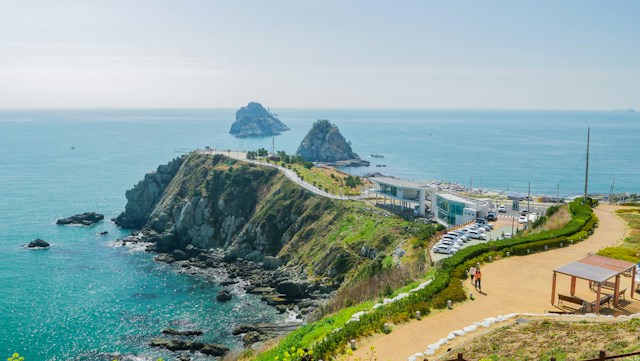
Morning: Taejongdae Park. Cliffs, lighthouses and seaside trails on Yeongdo Island. You can explore it on foot or on the park’s tourist train (Danubi). It’s perfect for a peaceful walk.
Midday: Huinnyeoul Culture Village. A cliffside neighborhood with sea views, cafés and well-kept streets, much less crowded than Gamcheon. Ideal for a light meal and a rest.
Afternoon: choose your plan.
- Shopping and spa at Centum City: a giant mall and a Korean spa (jjimjilbang) to recharge.
- Beomeosa Temple: a more cultural and quiet option, on the slopes of Geumjeongsan.
- Gwangalli: cafés and a seaside stroll to say goodbye to the city.
Evening: farewell with a view. Have seafood or milmyeon (cold wheat noodles, also typical of Busan) and watch the Gwangan Bridge light up.
What to Eat in Busan
- Dwaeji gukbap: pork soup with rice, the signature dish.
- Milmyeon: cold wheat noodles in broth, refreshing in summer.
- Hoe: fresh raw fish, especially at Jagalchi.
- Eomuk (fish cake): sold at street stalls, very popular on cold days.
- Ssiat hotteok: sweet filled pancake, ideal as a snack.
- Dongnae pajeon: Korean green onion and seafood pancake.
Rainy Day Plan B
- Sea Life Aquarium and the Centum City mall in Haeundae.
- A spa or jjimjilbang, a cultural experience you can enjoy in any weather.
- Museums and themed cafés in Nampo and Seomyeon.
Practical Tips for Busan
- Start early to visit Haedong Yonggungsa and Gamcheon without the crowds.
- Wear comfortable shoes: there are lots of hills and stairs.
- Bring cash for markets and street food stalls.
- Check opening hours and closing days for attractions, as they can change.
- Choose your timing wisely: read the guide to the best time to visit South Korea to avoid monsoon and typhoon season.
Frequently Asked Questions
Is three days enough for Busan?
Yes, it’s enough to see the highlights. With four days, you can add Gyeongju or a more relaxed beach day.
Should you rent a car in Busan?
It’s not necessary. The subway, buses and taxis cover almost everything.
Which area is best to stay in for this itinerary?
Haeundae or Seomyeon are practical options thanks to their subway connections.
Final Thoughts on This 3-Day Busan Itinerary
In three days, Busan gives you temples by the sea, lively markets, colorful neighborhoods and a food scene that justifies the trip all by itself. If you’re looking to plan a longer trip, add this route to our 2-week South Korea itinerary and review what you need to know before traveling.
Oh, and I recommend the travel insurance I use: Go! Assistance!


También te puede interesar

S1 Bus from Suvarnabhumi
Dónde hospedarse en Da Nang